

Abstract
Online and physical gambling activity has increased exponentially in the UK, Ireland, and Europe over the last 15 years. In Ireland, the National Lottery logo depicts a friendly, anthropomorphic ‘dancing star’, which is reminiscent of a nursery rhyme character. This research sought to examine children’s recognition of the National Lottery logo. A child-friendly survey was administered in nine Irish primary schools in the mid-west region of Ireland. This convenience sample facilitated the gathering of information from 671 participants aged 6-13 years. The results indicate widespread familiarity with the National Lottery logo amongst children in Ireland. Forty percent of the youngest age group examined (7 years) and 85% of the oldest age group examined (12 years) identified the National Lottery logo. The level of familiarity with the logo suggests a high level of cultural recognition of gambling advertising among younger and older children. The proportion of children who correctly identified the National Lottery logo is an issue of concern. The ‘dancing star’ logo may appeal to younger audiences, which may be a violation of the National Lottery Advertising and Promotion Code of Practice.
Keywords: gambling, child, adolescent, Ireland, marketing, lottery
Main Points
- Problem Gambling (PG) is a significant issue for a minority of people and is increasingly acknowledged as a public health issue.
- Exposure to marketing predicts uptake/participation, and early gambling is linked to problem gambling in later life.
- This research identified high levels of recognition of the National Lottery logo in Ireland.
- Ireland’s National Lottery logo is overly child-friendly and should be amended.
- Further research in this field is required.
Twinkle, twinkle, little star,
How I wonder what you are?
(Taylor, 1811)
Introduction
Gambling worldwide was estimated to have a turnover of roughly US$711.4 Billion in 2020 (Cision, 2021) and is projected to rise by over US$150 Billion over the subsequent five years (Cision, 2021). The gambling industry in Ireland, as in many other countries, continues to expand. Its estimated worth is now in the region of €10 billion annually (Michael, 2019). In the context of this examination, it is important to note that Irish National Lottery sales recently passed the €1 Billion per annum mark (Slattery, 2022). Ireland has been identified as having the leading gross gambling revenue on a per capita basis in Europe, making it an attractive target for gambling marketing (Griffiths et al., 2009). A recent Lancet Public Health Commission on gambling noted the international dimension of the gambling industry (Wardle et al., 2021). It may be no surprise, therefore, that Ireland’s National Lottery is now operated by the French firm La Française des Jeux (FDJ), having been previously controlled by the Ontario Teachers’ Pension Plan (Daly, 2014). It has been suggested that a key element of the success of PLI was its ability to facilitate online gambling (Burke-Kennedy, 2023). Particular concerns have been raised over the last decade in connection with the growth of online gambling, both globally and specifically in Ireland (Columb & O’Gara, 2018; Columb et al., 2022, 2023; Cooney et al., 2021; McMahon, 2022). Concerns have increased in recent years over gambling advertising during sporting events (Columb et al., 2023), and the issue of co-addiction in relation to gambling (Condron et al., 2022).
This paper concentrates on children’s familiarity with trademarks used by the National Lottery. In particular, the quantitative research underpinning this paper examines local school children’s recognition of the National Lottery ‘dancing star’ logo. To provide context, this paper first highlights the public health dimension of gambling, reports on underage gambling in Ireland, and draws attention to emerging concerns over gambling advertising. The research methodology, results, and discussion sections are then presented. Overall, the paper highlights the child-friendly nature of the National Lottery trademark and addresses the implications of this design direction.
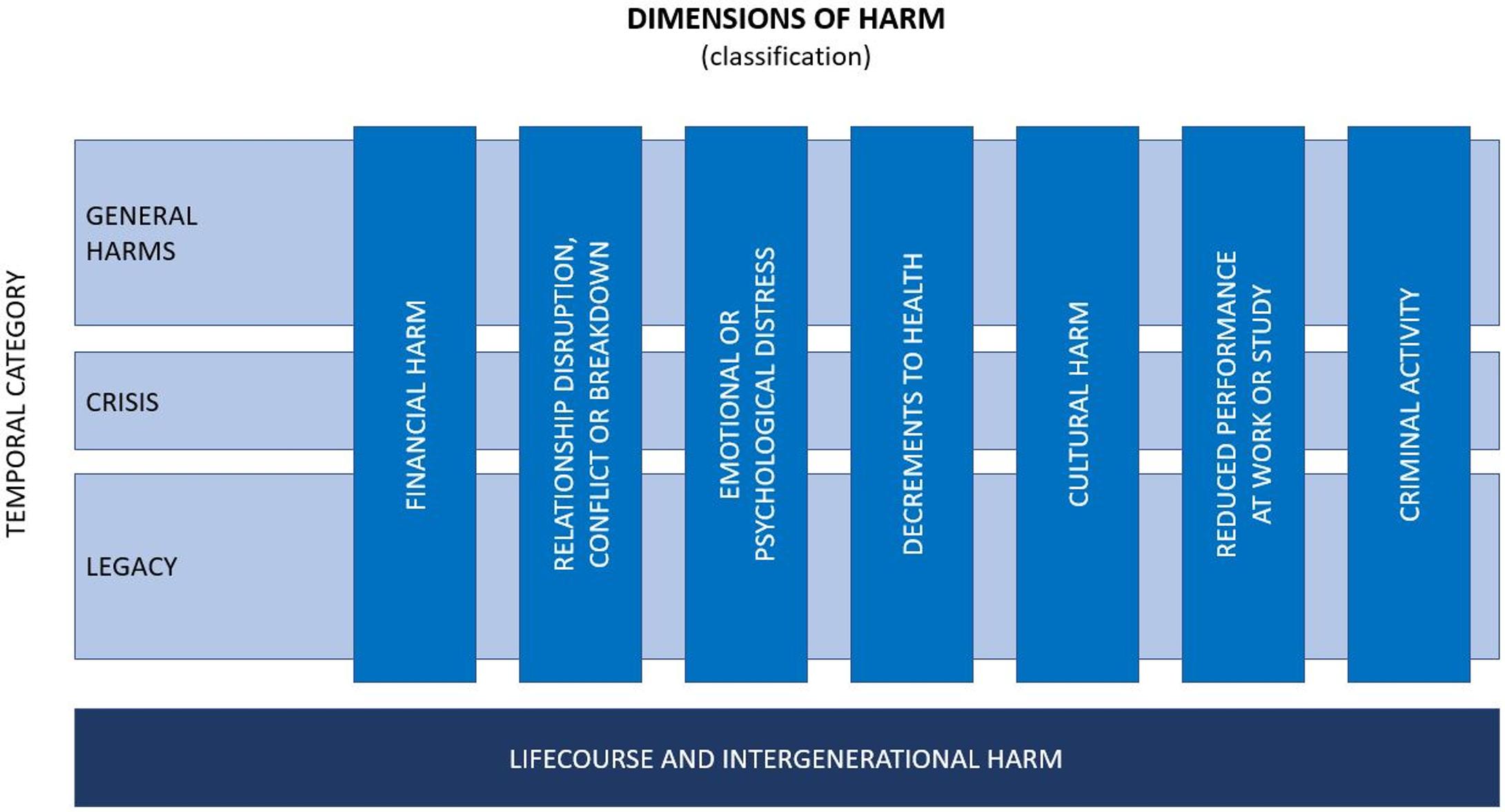
The harms of gambling should not be underestimated. Figure 1 details the many dimensions of gambling harm from life course and intergenerational perspectives. The College of Psychiatrists of Ireland (2020) stated that gambling in Ireland is a ‘major public health concern’. Gambling represents an important Commercial Determinant of Health (CDoH) in Ireland for a vulnerable minority (McAvoy et al., 2023; Mialon, 2024; van Schalkwyk & Cassidy, 2023). Concerns over gambling, and particularly gambling advertising, have in part prompted the development of Ireland’s Gambling Regulation Bill 2022. Research by Fulton (2015) has identified the problematic perception of National Lottery purchases as gambling that “wasn’t really gambling.” This research also noted concerns from Addiction Service Providers about underage teenagers engaging in online gambling using new technologies.
In recent years, a growing body of Irish research has explored this issue (Condron et al., 2022; Kerr et al., 2021; National Advisory Committee on Drugs and Alcohol [NACDA], 2018). An in-depth exploration of gambling in Ireland states that 0.3% of the population (or 12,000 people) were problem gamblers (Mongan et al., 2022). This report suggested that a further 0.9% (35,000 adults) should be designated moderate-risk gamblers, while 2.3% (90,000 adults) of the adult population were deemed low-risk gamblers. Other investigations of gambling in Ireland have also explored its impact across the general population, with other studies examining groups of particular concern, including young athletes (Murphy, 2019; Turk et al., 2023).
Historically, information on gambling prevalence in Ireland has been a notable deficit (Institute of Public Health, 2010). The Institute of Public Health (2010) specifically noted this information gap concerning high-risk groups, such as adolescents. However, substantial information on this topic has emerged over the last decade in Ireland. Youth gambling is of significant concern as a recent examination of 3,000 people treated for problem gambling in Ireland between 2008-2019 found that half of these people had started to gamble before the age of 17 (Condron et al., 2022). On this point, the longitudinal Growing Up in Ireland (GUI) cohort study identified the prevalence of online gambling among 17-year-olds as 4.4% in males and 0.9% in females. Online gambling at age 17 was an independent and significant predictor of future engagement in online gambling at age 20, alongside participation in team sports (Duggan & Mohan, 2023; Mohan & Duggan, 2023).
Prior examinations of youth gambling in Ireland have also noted issues of concern. For example, the 2015 ESPAD Secondary School data identified a 21.1% prevalence of gambling with money (30.0% of males and 11.9% of females). This comprised a prevalence rate of 14.0% for gambling online for money (20.7% of males and 7.1% of females) and a 17.3% prevalence of gambling offline for money (24.9% of males and 9.5% of females). Looking specifically at lottery gambling for money in Ireland, an online prevalence of 4.4% was noted, while the equivalent rate for offline lottery gambling was 5.6% (Molinaro et al., 2018). In European terms, Ireland is identified in this research as a medium gambling prevalence country (GPC) (Molinaro et al., 2018).
Another study conducted in Ireland in 2015 noted a prevalence of gambling in the last year among adults of 64.5% (NACDA, 2018). Among respondents aged 15 and older, 56.7% had bought a lottery ticket or scratch card in person, while just 3% had played lottery games online in the last year. Although 0% of 15–17-year-olds reported playing lottery games online, 9.7% reported buying a lottery ticket or scratch card in person, and 4.6% reported having bought one or more in the last month. The figures for males were higher than those for females in this age group. The last year’s prevalence of having bought a lottery ticket or scratch card in person among males aged 15-17 years was 11.6%, whereas the figure for females was 8.5%. Alarmingly, there was already a 0.8% prevalence of DSM-IV Problem Gambling among those aged just 15-17 (0.8% among males and 0.7% among females).
In 2018, the Office of the Regulator of the National Lottery (ORNL) commissioned a test purchasing exercise on the underage purchase of National Lottery products in retail premises by Ipsos MRBI. In this exercise, 510 retail premises were tested. This research noted that 63% of underage purchasers were challenged for ID, and 6 out of 10 test purchases were refused. Following this, the ORNL commissioned a subsequent piece of research. This consisted of several questions included in Ireland’s first Children’s Omnibus survey conducted by Ipsos MRBI in August 2018. In this research, Ipsos MRBI asked a nationally representative sample of over 1,000 children aged 10 to 17 years whether they had ever purchased National Lottery tickets themselves with their own money. The results indicated that approximately 4% of respondents reported having done so. A more recent examination of underage test-purchase attempts commissioned by the ORNL noted that, although the situation had improved, only 71% of underage test purchasers were refused (Regulator of the National Lottery, 2024).
A more recent analysis of the Irish element of the European School Survey Project on Alcohol and Other Drugs (ESPAD) data collected in 2019, examining 16-year-olds, noted that 28.2% of males and 17.9% of females of the same age reported having gambled for money in the last 12 months (McAvoy et al., 2023). Of these, almost a third of males (30.8%) and just over a tenth of females (11.8%) had used the internet to gamble. Among gamblers, 51.8% had gambled on lotteries. In response to this research, Minister Browne stated, “The findings of this report are deeply troubling and serve to highlight why we, as a society, must protect children and vulnerable citizens from the harms associated with gambling” (Department of Justice, Home Affairs and Migration, 2023).
Recent research conducted in Ireland has specifically examined problem gambling. This research found strong links between underage gambling and later adult problem gambling. It identified that almost two-thirds of a nationally representative sample of adults (64%) had gambled before turning 18. The research also noted that 31% of respondents had gambled through scratch cards and 20% through lotteries (Ó Ceallaigh et al., 2024). The Northern Ireland Assembly All Party Group on Reducing Harm Related to Gambling (2024) has similarly noted the negative impacts of gambling, including its adverse effects on children.
A major concern in Ireland in recent years has been what one member of the Seanad (upper house of the Irish Parliament) described as the ‘tsunami of gambling advertisements’ to which the public is exposed (Wall, 2022). Warnings about this issue have been voiced repeatedly by the former President of Ireland, Michael D. Higgins (Burnhill, 2023; Independent.ie Newsdesk, 2018; MacNamee, 2021).
Of particular concern and relevance to this paper is the impact of gambling advertising on young people. Children are identified as a demographic that is highly receptive to advertising (Kopelman et al., 2007), and the ubiquity of gambling advertising has been noted by children, adolescents, young adults, and parents (David, Thomas, Randle, Pitt et al., 2020; McMullen et al. 2012; Pitt et al., 2016; Torrance et al., 2021). Familiarity with the National Lottery logo is important as ‘exposure is the first building block in any marketing strategy, and can shape positive attitudes towards, and the initiation of use of the products in question’ (Thomas et al., 2023). In this respect, gambling on the national lottery may be comparable to tobacco and alcohol exposure and use (Harris et al., 2021; Petrescu et al., 2017; Thomas et al., 2023; Wakefield et al., 2006).
Research has demonstrated an association between increased exposure to alcohol marketing among children and adolescents, and increased alcohol consumption levels (Jones & Magee, 2011). Research on gambling has noted similar findings (Felsher et al., 2004). Strong evidence indicates that exposure to gambling in children increases their risk of developing gambling issues later in adolescence or adulthood (Smith et al., 2020), and that those who start gambling while young are at increased risk of developing severe gambling issues (Saugeres et al., 2012; Valentine, 2008; Volberg et al., 2010; Winters et al., 1993). Parental gambling activities were also found to influence youth gambling participation (Delfabbro & Thrupp, 2003; Emond & Griffiths, 2020; Vachon et al., 2004; Winters et al. 1993, 2002). Evidence suggests that the best predictor of youth lottery purchases is their parents’ participation (Ariyabuddhiphongs, 2011). Deans et al. (2017) note that marketing is a significant contributor to the normalisation of gambling. Such normalisation can influence both children’s behavioural intentions and actions (Bestman et al., 2015). National Lottery gambling is highly normalised in Ireland. For example, in 2022, an average of 1.2 million people played each week (National Lottery, 2023).
Although this article focuses specifically on Ireland and its National Lottery, it must be noted that lottery gambling is a global phenomenon. Approximately 100 countries have lotteries, and 88 countries are members of the World Lottery Association (2025). This is more than one in two countries globally. A focus on lotteries is important, both because of their aggressive advertising, but also because for many, they are the first form of gambling that they engage in (Felsher et al., 2004). It should be noted that evidence suggests that youths typically start gambling before experimenting with alcohol, tobacco, other drugs, or engaging in sexual behaviour (Volberg et al., 2010). Concerns over youth lottery participation are widespread and evident across a wide range of countries (Richard & King, 2023; Tran et al., 2024; Volberg et al., 2010; Zhai et al., 2021).
Labrador et al. (2021) highlighted a lack of balance in gambling adverts, which focus almost purely on positive portrayals of gambling. Gambling advertising is often framed to highlight three key themes (Labrador et al., 2021). These are: winning money, normalising gambling, and gambling as a source of entertainment (McMullen et al., 2012). Similarly, Gainsbury et al. (2016) note that gambling advertising tends to focus on the high possibility of winning, specifically using the phrase ‘it can happen to you’. This phrase is almost identical to the tagline for the Irish National Lottery, ‘it could be you’.
Exploring real-world child and youth exposure to gambling advertising is complex. Wearable cameras have been used to explore children’s exposure to gambling advertising (Smith et al., 2020; Watkins et al., 2022). Although food brands were the most common brands observed (Watkins et al., 2022), one such wearable camera study noted that national lottery and scratch cards were the most common forms of gambling advertising identified (Smith et al. 2020). A growing body of research examining children’s awareness of gambling advertising has emerged in recent years (Nyemcsok et al., 2018; Pitt et al., 2017; Thomas et al., 2016, 2023).
Logo recognition surveys with young children have been conducted across several key determinants of health products, including tobacco (Fischer et al., 1991; Peters et al., 1995), and food (Borzekowski & Pires, 2018). It is also noteworthy that an increasing volume of logo- and advertising-oriented research has been conducted with very young children, sometimes as young as two years old (Fischer et al., 1991; Horner, 2006; Kinsky & Bichard, 2011; Kopelman et al., 2007; McNeal & Ji, 2003; Roberto et al., 2010; Robinson et al., 2007; Valkenburg & Buijzen, 2005). Such research is important, as it supports the approach used in the present study, which focused on national school children.
As can be seen from Table 1, it is clear that advertising and promotion by the Irish National Lottery should not be of particular appeal to children. This Code explicitly mentions the prohibition on ‘fictitious characters… of primary or particular appeal to children’.
| Table 1. Relevant national lottery advertising and promotion code of practice |
| National Lottery Advertising and Promotion Code of Practice |
| 30. Advertising and Promotion activities shall not be likely to be of particular appeal to children, especially by being associated with youth culture; |
| 31. Advertising and Promotion activities shall not make direct use of: |
| a. signs, symbols, themes, drawings, fictitious characters or real people of primary or particular appeal to children;… |
| d. induce a child to regard National Lottery play as a natural element of his or her leisure time/activities; |
| 32. Advertising and Promotion activities shall not be aimed at persons under 18 years of age; |
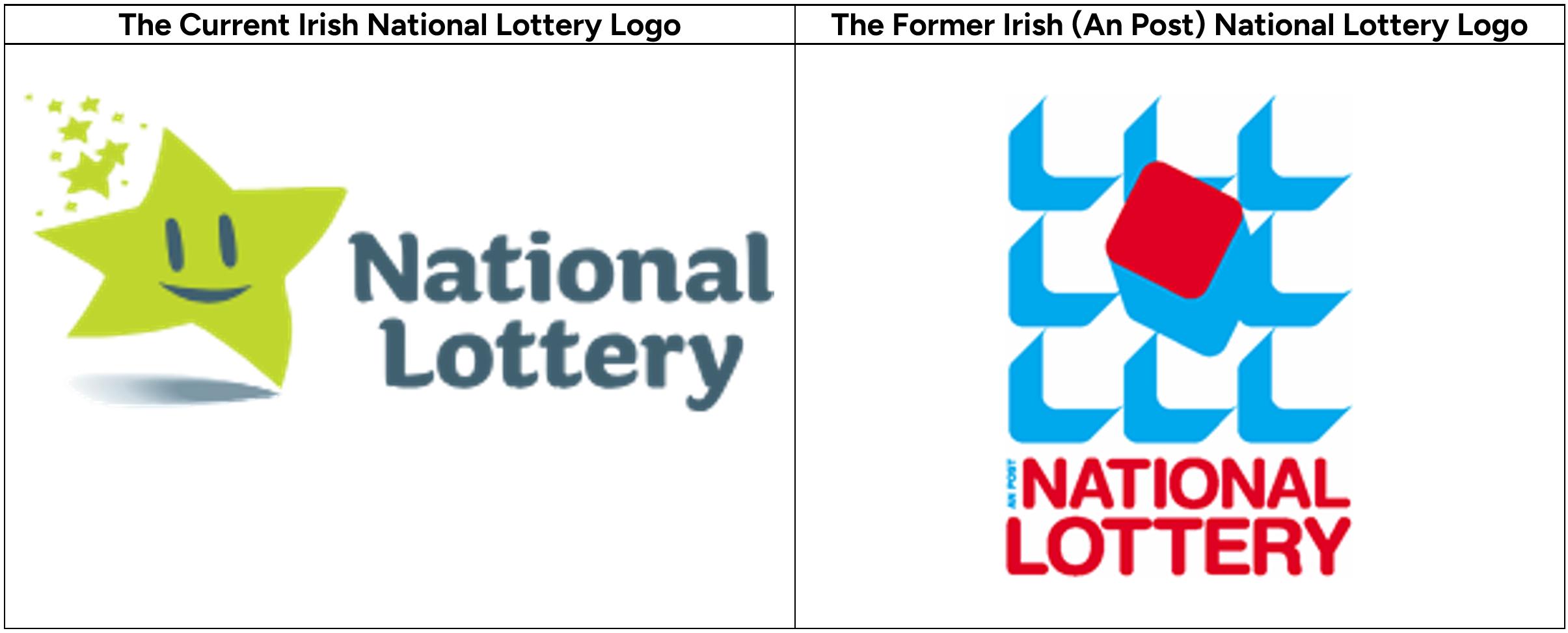
Figure 2 details the current and former Irish National Lottery logos. It is hard to reconcile the prohibitions in the Code outlined in Figure 1 with the current National Lottery logo shown in Figure 2. The current anthropomorphic logo is child-friendly (You, 2021). It features an anthropomorphic smiling star that, in various adverts, both pivots and winks. This star has been registered as a trademark with the Intellectual Property Office of Ireland, with the Minister for Public Expenditure & Reform as proprietor and Premier Lotteries Ireland as licensee (Trademark Registration No. 238066).
The WHO-UNICEF-Lancet Commission (Clark et al., 2020) has recently noted the threat to children from gambling. The commission suggested the adoption of a new protocol to the United Nations Convention on the Rights of the Child (UNCRC) to regulate against commercial harm to children. Ireland ratified the UNCRC on 21 September 1992. Ratification of the UNCRC signalled a commitment by the Irish State to promote, protect, and fulfil all rights in the Convention for all Irish children. The UNCRC establishes minimum standards for the protection of children’s rights (United Nations, 1989). It follows that States can exceed these standards to provide greater protection of the rights of the child. At a minimum, gambling can be said to engage the right to health (Article 28 UNCRC), and the right to protection against economic exploitation (Article 32 UNCRC). The online availability of many lottery games creates another avenue through which such rights may be put at risk. The UN Committee on the Rights of the Child has noted that ‘reaching adolescence can mean exposure to a range of risks, reinforced or exacerbated by the digital environment, including … economic exploitation’ (General comment No. 20 (2016) on the implementation of the rights of the child during adolescence) Furthermore, the UN Convention on the Rights of the Child, in General Comment No. 25 on children’s rights in relation to the digital environment, states the following:
States parties should ensure that appropriate enforcement mechanisms are in place and support children, parents and caregivers in gaining access to the protections that apply. They should legislate to ensure that children are protected from harmful goods, […], or services, such as gambling (United Nations, 2021).
The widely acknowledged global success of the UN’s Framework Convention on Tobacco Control (FCTC) is also a potential model for further action. This avenue of concerted international action has been so successful that calls have been made for similar actions in other areas, most notably alcohol (Colin, 2021; Yeung & Lam, 2019). This format for a global strategy to combat the threat posed by gambling is another potential avenue that should be explored in depth (David, Thomas, Randle, & Daube, 2020).
Recent research in Ireland has identified the child-friendly nature of National Lottery advertising, as well as inadequate systems to prevent underage gambling (Daly, Campbell, & Houghton, 2026; Daly, Houghton, Campbell et al., 2025; Houghton, Daly et al., 2026; Houghton, Ní Phríosáin, Daly et al., 2026; Houghton, Ní Phríosáin, Houghton et al., 2026). (Given the child-friendly nature of Ireland’s National Lottery logo and the impact such exposure may have on future gambling acceptance and practice, this research sought to examine familiarity with this logo among a sample of young children.
Methods
A convenience sample of National (Primary) Schools in the Mid-West region of Ireland (Counties Clare, Limerick & Tipperary) were invited to participate in the survey by post. Three follow-ups were conducted by phone and email. Written parental consent was a precondition of inclusion in the study, as was assent from the children themselves.
Participants were asked to complete an anonymous hard-copy questionnaire in class, which asked for their age and gender and then, following a worked example using the Nike logo, presented them with six additional logos (McDonald’s, the UK lottery, Domino’s Pizza, the Irish National Lottery, the Gaelic Athletic Association, and Kentucky Fried Chicken [KFC]. Participants were asked to identify the logos and provide the associated tagline. Approval for this study was granted by the Institutional Research Ethics Committee at the Technological University of the Shannon.
Data was collected from nine Irish schools in total: four schools in County Clare, three in Limerick City, and two in County Tipperary. The sample included a mix of urban and rural schools, as well as a broad socioeconomic spectrum based on the surrounding areas. The survey collected information from 671 participants. However, this sample included nine children aged 6 and one aged 13. Given the small numbers at both ages, they were not included in subsequent analyses, leaving a sample of 661. This sample consisted of 340 males and 324 females, as well as one respondent who identified as non-binary.
Limitations
This study has a number of limitations that must be clearly acknowledged. The use of a convenience sample and the geographical focus on the Mid-West region of Ireland limit the generalizability of the data. It must also be acknowledged that the cross-sectional research design precludes developmental or causal claims. In addition, support for logo recognition as a proxy measure of advertising exposure is limited. Finally, in an effort to create a child-friendly survey that could be administered quickly, confounding variables, such socioeconomic background, parental gambling habits, and personal and family media consumption habits, were not included. These factors could influence lottery recognition.
Results
As can be seen from Table 2, 39.4% of 7-year-old children were able to correctly identify the Irish National Lottery logo. This figure rose to 86.8% among children aged 12. Younger females were less likely than younger males to identify the logo; however, in older age groups they were more likely to do so.
| *Based on bootstrapping with 10,000 samples; **Based on 2022 Census population counts by age and gender. | ||||
| Table 2. Numbers correctly identifying the Irish national lottery logo | ||||
| Percentage, Number and Confidence Intervals* for Participants Correctly Identifying the Irish National Lottery Logo by Age & Gender | ||||
| Age |
|
|
|
|
| 7 |
|
|
|
|
| 8 |
|
|
|
|
| 9 |
|
|
|
|
| 10 |
|
|
|
|
| 11 |
|
|
|
|
| 12 |
|
|
|
|
| Total |
|
|
|
|
Table 3 details the percentage of children able to recall the Irish National Lottery tagline. This rose from a low of 3.0% among 7-year-olds to 40.7% in 12-year-olds.
| *Based on bootstrapping with 10,000 samples; **Based on 2022 Census population counts by age and gender. | ||||
| Table 3. Numbers correctly recalling the Irish national lottery tagline | ||||
| Percentage, Number & Confidence Intervals* for Participants Correctly Giving the Irish National Lottery Tagline by Age & Gender | ||||
| Age |
|
|
|
|
| 7 |
|
|
|
|
| 8 |
|
|
|
|
| 9 |
|
|
|
|
| 10 |
|
|
|
|
| 11 |
|
|
|
|
| 12 |
|
|
|
|
| Total |
|
|
|
|
Once again, younger females were less likely than younger males to recall the lottery tagline, but were more likely to do so in older age groups.
Binary logistic regression was used to examine whether gender and age were associated with the likelihood of being able to identify the Irish lottery logo. A preliminary analysis suggested that the assumption of multicollinearity was met (tolerance = .99). An inspection of standardised residual values revealed that there were just six outliers (Std. residuals = -2.55), which were kept in the dataset. The model was statistically significant, X2 (2, N = 654) = 69.53, p<.001, suggesting that it could distinguish between those who could and could not identify the Irish lottery logo. The model explained between 10.1% (Cox & Snell R square) and 14.0% (Nagelkerke R square) of the variance in the dependent variable and correctly classified 68.7% of cases. The explanatory value of this model must therefore be acknowledged as somewhat limited. As shown in Table 4, age, but not gender, significantly contributed to the model. The age odds ratio suggests that for each one-year increase in age, participants were 1.56 times more likely to identify the Irish lottery logo.
| Table 4. Logistic regression predicting the likelihood of identifying the Irish lotto logo | ||||||||
|
|
|
|
|
|
|
|
||
|
|
|
|||||||
| Age |
|
|
|
|
|
|
|
|
| Gender |
|
|
|
|
|
|
|
|
| Constant |
|
|
|
|
|
|
||
As can also be seen from Table 3, the number of respondents able to recall the tagline (‘it could be you’) was lower than the number able to recognise the lottery logo. A preliminary analysis of these results suggested that the assumption of multicollinearity was met (tolerance = .99). An inspection of standardised residual values revealed that there were 14 outliers (Std. residuals = 3.13 – 4.11), which were kept in the dataset. The model was statistically significant, X2 (2, N = 654) = 72.59, p<.001, suggesting that it could distinguish between those who could and could not identify the Irish lottery tagline. The model explained between 10.5% (Cox & Snell R square) and 16.1% (Nagelkerke R square) of the variance in the dependent variable and correctly classified 77.7% of cases. Therefore, the explanatory value of this model is, once again, rather limited. As shown in Table 5, age, but not gender, significantly contributed to the model. The age odds ratio suggests that for each one-year increase in age, participants were 1.72 times more likely to identify the Irish lottery tagline.
| Table 5. Logistic regression predicting the likelihood of identifying the Irish lotto tagline | ||||||||
|
|
|
|
|
|
|
|
||
|
|
|
|||||||
| Age |
|
|
|
|
|
|
|
|
| Gender |
|
|
|
|
|
|
|
|
| Constant |
|
|
|
|
|
|
||
It should be noted that an additional 4.2% (28) of respondents could be described as having answered the National Lottery logo recognition question partially correctly. These students misidentified the logo but provided the name of a bookmaker instead (e.g. Paddy Power).
Discussion
Given the ubiquity of National Lottery advertising and the child-oriented logo used, the results are perhaps not surprising. However, from a public health perspective, to have almost 40% of seven-year-olds able to identify the National Lottery logo is an issue of concern. It is not surprising that this familiarity rises with age. However, for this rate to be approximately 85% by the age of 12, six years in advance of being able to gamble legally at the age of 18, is concerning. The explanatory models explored revealed only modest explanatory power. Further, more comprehensive exploration of the factors involved is required.
In terms of gambling trajectories (Smith et al., 2020) and future risks for young people (Saugeres et al., 2012; Valentine, 2008; Volberg et al., 2010; Winters et al., 1993), the proportion of children able to identify the National Lottery logo and recall the tagline may be problematic. This evidence suggests that relatively young children in Ireland may be exposed to National Lottery advertising, which could serve to normalise gambling. This issue may be important because, as noted above, gambling on the National Lottery is often not considered to be gambling (Fulton, 2015). The adverse impacts of gambling, as detailed by Langham et al. (2016) in Figure 1, make this issue one of significant importance.
The proportion of children who identified the National Lottery logo correctly is an issue of concern. However, these figures may still under-represent the extent of the problem. A further proportion of respondents named bookmakers as the company that owned the logo. Unlike many other countries, in Ireland bets can be placed predicting the winning lottery numbers at bookmakers (Hosford, 2022; Ladbrokes, 2023; Paddypower, 2023). Therefore, the association in some children’s minds conflating the National Lottery logo with some bookmakers is not necessarily inappropriate.
The Irish National Lottery logo is child-friendly and violates the National Lottery Advertising and Promotion Code of Practice. It is interesting to note that the Office of the Regulator of the National Lottery has a legislated role in protecting National Lottery intellectual property (IP). This IP is then licensed to the lottery operator. Therefore, the lottery operator, Premier Lotteries Ireland (PLI), is simply using the trademarks licensed from the State. This presents an unusual set of circumstances such that the regulator is unlikely to question or object to the existing IP. Nonetheless, a revised and less child-friendly logo is warranted and should be developed and adopted. State action on this issue will therefore be required.
It is crucial to note that any attempts to curtail the activities of the gambling industry will be resisted. As noted above, the industry is highly lucrative (Markham & Young, 2015; Neate & Jolly, 2019). It seems likely that the industry will adopt what may be termed the ‘Big Tobacco Playbook’ of tactics and strategies to minimise, delay, and deflect attempts at regulation and enforcement (Houghton, 2022, 2023; Oreskes & Conway, 2010; Petticrew et al., 2017; Proctor, 2012).
Conclusion
Gambling represents a significant threat to a minority of the population (Langham et al., 2016; McAvoy et al., 2023; Mialon, 2024; van Schalkwyk & Cassidy, 2023). Children are not excluded from this threat, and a small but vulnerable minority may be in danger of developing problematic gambling habits. National Lottery gambling may be a particular threat, as it is often not even considered gambling (Fulton, 2015). The current National Lottery logo is child-friendly, contravening its own Advertising and Promotion Code of Practice, which prohibits ‘signs, symbols, themes, drawings, fictitious characters or real people of primary or particular appeal to children’. This research identifies that over two-thirds of national school children in Ireland aged 7 to 12 can identify and name the National Lottery logo. This may testify both to the appeal of the logo and the high level of advertising undertaken by the National Lottery. The logo may need to be redesigned to be less child-friendly, and curbs on National Lottery advertising may be appropriate. At present, the Irish Government may be failing to fulfil its duties on this issue as laid out under the UNCRC.
Further research on the high levels of gambling advertising in Ireland should be conducted, focusing on youth environments. Any proposed revision to the National Lottery logo and tagline should be carefully evaluated to see how children perceive it. Even misjudged health promotion initiatives can have unexpected and unwelcome outcomes (Houghton & Hopkins, 2023; Houghton, Del Monte et al., 2016; Houghton, Hopkins et al., 2016; Houghton et al., 2017). Future research might also explore the relationship between National Lottery gambling and other forms of gambling.
The Gambling Regulation Act, 2024 has recently been passed in Ireland. This Act curtails gambling advertising and establishes a Gambling Regulatory Authority of Ireland (GRAI) to oversee gambling in Ireland. However, the National Lottery is exempt from this legislation, and from the important safeguards it will introduce. This exemption reflects the growth of the ‘industry-state gambling complex’ in Ireland (Markham & Young, 2015). Such an exemption is inappropriate and will help reinforce the misperception that betting on the National Lottery is not gambling. The banning of other types of gambling advertising under the Act may also serve to increase the relative prominence of National Lottery advertising.
Although this research has focused specifically on Ireland, the implications of the findings here may have relevance in other countries. As noted above, more than 100 countries currently operate lotteries. Further research might usefully explore advertising forms and logos across these territories. Future research exploring these issues should adopt nationally representative sampling frames and ideally involve a longitudinal element. Such research should also address potentially confounding factors such as social class, parental gambling habits, and media consumption habits. This research would ideally also address issues such as children’s attitudes towards lotteries and their advertising, and their behavioural intentions towards both lotteries and gambling generally.
Acknowledgements
We would like to sincerely thank all of the children who took part in this study, as well as their parents for giving their consent. We would also like to thank the teachers, school principals, and school secretaries who helped make this study a reality.
Ethical approval
This study was approved by the TUS Research Ethics Committee (Date: September 29 2020). Informed consent was obtained from all participants involved in this study.
Data availability statement
The data that support the findings of this study are available from the corresponding author upon reasonable request.
Conflict of interest
The authors declare that this study was conducted in the absence of any commercial or financial relationships that could be construed as a potential conflict of interest.
Funding
The authors declare that this study received no funding.
Generative AI statement
The authors declare that no generative AI or AI-assisted technologies were used in the writing or preparation of this study.
References
- Ariyabuddhiphongs, V. (2011). Lottery gambling: A review. Journal of Gambling Studies, 27(1), 15-33. https://doi.org/10.1007/s10899-010-9194-0
- Bestman, A., Thomas, S. L., Randle, M., & Thomas, S. D. M. (2015). Children’s implicit recall of junk food, alcohol and gambling sponsorship in Australian sport. BMC Public Health, 15, 1022. https://doi.org/10.1186/s12889-015-2348-3
- Borzekowski, D. L. G., & Pires, P. P. (2018). A six country study of young children’s media exposure, logo recognition, and dietary preferences. Journal of Children and Media, 12(2), 143-158. https://doi.org/10.1080/17482798.2018.1425730
- Burke-Kennedy, E. (2023). National Lottery to be sold as Canadian pension fund owner plans Irish exit. The Irish Times. https://www.irishtimes.com/business/2023/03/21/national-lottery-to-be-sold-as-canadian-pension-fund-owner-plans-irish-exit/
- Burnhill, E. (2023). President says gambling wrecking much of sport. RTE. https://www.rte.ie/news/2023/0519/1384548-coolmine-higgins/
- Cision. (2021). Global gambling market to reach $876 billion by 2026. Cision PR Newswire. https://www.prnewswire.com/news-releases/global-gambling-market-to-reach-876-billion-by-2026-301305923.html
- Clark, H., Coll-Seck, A. M., Banerjee, A., Peterson, S., Dalglish, S. L., Ameratunga, S., Balabanova, D., Bhan, M. K., Bhutta, Z. A., Borrazzo, J., Claeson, M., Doherty, T., El-Jardali, F., George, A. S., Gichaga, A., Gram, L., Hipgrave, D. B., Kwamie, A., Meng, Q., … Costello, A. (2020). A future for the world’s children? A WHO-UNICEF-Lancet commission. The Lancet, 395(10224), 605-658. https://doi.org/10.1016/S0140-6736(19)32540-1
- Colin, J. (2021). Taking steps toward coherent global governance of alcohol: The challenge and opportunity of managing conflict of interest. Journal of Studies on Alcohol and Drugs, 82(3), 387-394. https://doi.org/10.15288/jsad.2021.82.387
- College of Psychiatrists of Ireland. (2020). Gambling disorder position paper. EAP/01/20 approved by council April 2020. https://www.drugsandalcohol.ie/33550/1/Gambling-Disorder.pdf
- Columb, D., & O’Gara, C. (2018). A national survey of online gambling behaviours. Irish Journal of Psychological Medicine, 35(4), 311-319. https://doi.org/10.1017/ipm.2017.64
- Columb, D., Griffiths, M., & O’Gara, C. (2022). Online gaming and gaming disorder: More than just a trivial pursuit. Irish Journal of Psychological Medicine, 39(1), 1-7. https://doi.org/10.1017/ipm.2019.31
- Columb, D., Griffiths, M., & O’Gara, C. (2023). A descriptive survey of online gaming characteristics and gaming disorder in Ireland. Irish Journal of Psychological Medicine, 40(2), 200-208. https://doi.org/10.1017/ipm.2020.5
- Condron, I., Lyons, S., & Carew, A. M. (2022). Gambling in Ireland: Profile of treatment episodes from a national treatment reporting system. Irish Journal of Psychological Medicine, 41(1), 1-8. https://doi.org/10.1017/ipm.2022.20
- Cooney, C., Columb, D., Costa, J., Griffiths, M. D., & O’Gara, C. (2021). An analysis of consumer protection for gamblers across different online gambling operators in Ireland: A descriptive study. International Journal of Mental Health and Addiction, 19(1), 19-21. https://doi.org/10.1007/s11469-018-9968-7
- Daly, M., Campbell, A., & Houghton, F. (2026). Examining youth protections against gambling in Ireland: A tiger team (red team) examination of the national lottery. Epidemiology, Biostatistics, and Public Health, 21(1), 1-5. https://doi.org/10.54103/2282-0930/30098
- Daly, M., Houghton, D., Campbell, A., & Houghton, F. (2025). Child oriented advertising on Ireland’s national lottery website: A visual content analysis. Journal of Global, Public and One Health, 2025(2), 19. https://jgpoh.com/wp-content/uploads/2025/11/Mia-Daly-JGPOH-2025-APPROVED.pdf
- Daly, S. (2014). Canadian-owned group to run the Lotto for next 20 years. The Journal. https://www.thejournal.ie/new-lottery-operator-ireland-lotto-1336521-Feb2014/
- David, J. L., Thomas, S. L., Randle, M., & Daube, M. (2020). A public health advocacy approach for preventing and reducing gambling related harm. Australian and New Zealand Journal of Public Health, 44(1), 14-19. https://doi.org/10.1111/1753-6405.12949
- David, J. L., Thomas, S. L., Randle, M., Pitt, H., & Daube, M. (2020). Parent and child perceptions of gambling promotions in Australian sport. Health Promotion International, 35(2), 362-372. https://doi.org/10.1093/heapro/daz028
- Deans, E. G., Thomas, S. L., Derevensky, J., & Daube, M. (2017). The influence of marketing on the sports betting attitudes and consumption behaviours of young men: Implications for harm reduction and prevention strategies. Harm Reduction Journal, 14(5). https://doi.org/10.1186/s12954-017-0131-8
- Delfabbro, P., & Thrupp, L. (2003). The social determinants of youth gambling in South Australian adolescents. Journal of Adolescence, 26(3), 313-330. https://doi.org/10.1016/S0140-1971(03)00013-7
- Department of Justice, Home Affairs and Migration. (2023). Report findings on Children and Gambling deeply troubling - Minister Browne. Department of Justice, Home Affairs and Migration. https://www.gov.ie/en/department-of-justice-home-affairs-and-migration/press-releases/report-findings-on-children-and-gambling-deeply-troubling-minister-browne/
- Duggan, B., & Mohan, G. (2023). A longitudinal examination of young people’s gambling behaviours and participation in team sports. Journal of Gambling Studies, 39, 541-557. https://doi.org/10.1007/s10899-022-10175-x
- Emond, A. M., & Griffiths, M. D. (2020). Gambling in children and adolescents. British Medical Bulletin, 136(1), 21-29. https://doi.org/10.1093/bmb/ldaa027
- Felsher, J. R., Derevensky, J. L., & Gupta, R. (2004). Lottery playing amongst youth: Implications for prevention and social policy. Journal of Gambling Studies, 20(2), 127-153. https://doi.org/10.1023/B
- Fischer, P. M., Schwartz, M. P., Richards, J. W. Jr., Goldstein, A. O., & Rojas, T. H. (1991). Brand logo recognition by children aged 3 to 6 years. JAMA, 266(22), 3145-3148. https://doi.org/10.1001/jama.1991.03470220061027
- Fulton, C. (2015). Playing social roulette: The impact of gambling on individuals and society in Ireland. UCD.
- Gainsbury, S. M., Delfabbro, P., King, D. L., & Hing, N. (2016). An exploratory study of gambling operators’ use of social media and the latent messages conveyed. Journal of Gambling Studies, 32(1), 125-141. https://doi.org/10.1007/s10899-015-9525-2
- Griffiths, M., Hayer, T., & Meyer, G. (Eds.). (2009). Problem gambling in Europe. Springer. https://doi.org/10.1007/978-0-387-09486-1
- Harris, J. L., Yokum, S., & Fleming-Milici, F. (2021). Hooked on junk: Emerging evidence on how food marketing affects adolescents’ diets and long-term health. Current Addiction Reports, 8(1), 19-27. https://doi.org/10.1007/s40429-020-00346-4
- Horner, S. L. (2006). Categories of environmental print: All logos are not created equal. Early Childhood Education Journal, 33(2), 113-119. https://doi.org/10.1007/s10643-005-0029-z
- Hosford, P. (2022). Bookies reject proposal to ban bets on the Lotto. The Irish Examiner. https://www.irishexaminer.com/news/arid-40815075.html
- Houghton, F. (2022). Feigning Corporate Social Responsibility (CSR) Through health washing: Gambling industry conflicts of interest in health service provision and training in Ireland. Medicina Internacia Revuo - International Medicine Review, 30(118), 27-36. https://interrev.com/mir/index.php/mir/article/view/198
- Houghton, F. (2023). Researching gambling: Have we learned nothing from Big Tobacco’s overt manipulation of science? South Eastern European Journal of Public Health, 6. https://doi.org/10.56801/seejph.vi.318
- Houghton, F., & Hopkins, E. (2023). Zombies and weapons: Examining blog responses to the Centers for Disease Control & Prevention’s (CDC) ‘Preparedness 101: Zombie pandemic’ entertainment-education initiative. Medicina Internacia Revuo - International Medicine Review, 30(121), 249-259. https://interrev.com/mir/index.php/mir/article/view/219/168
- Houghton, F., Daly, M., Campbell, A. (2026). The art of deception: an introduction to the Tiger Team (Red Team) online age verification penetration method. Journal of Academic Research and Innovation, 3(1), 2. https://doi.org/10.21427/8pqg-hr91
- Houghton, F., Del Monte, K., Glessner, D., Goff, J., Hopkins, E., Loney, K., Meratnia, G., & Toms, J. (2016). Zombie pandemic preparedness: A cautionary observation. New Zealand Medical Journal, 129(1432), 97-99.
- Houghton, F., Hopkins, E., Loney, K., Luther, L., Norris, A., & Toms, J. (2016). Examination of the impact of using a zombie pandemic scenario to encourage emergency preparedness among elementary school children: The weapons issue. Washington State Journal of Public Health Practice, 9.
- Houghton, F., Ní Phríosáin, E., Daly, M., Houghton, D., & Campbell, A. (2026) Youth Oriented Advertising in Ireland’s National Lottery: A Quantitative Content Analysis of Advertisements. Epidemiology, Biostatistics, and Public Health, 21(1). https://doi.org/10.54103/2282-0930/30498
- Houghton, F., Ní Phríosáin, E., Houghton, D., Daly, M., & Campbell, A. (2026). Child-Oriented Marketing Practices Associated with Ireland’s Televised National Lottery Draws: A Secondary Analysis of Associated Programming and Screening Times. Epidemiology, Biostatistics, and Public Health, 21(2). https://riviste.unimi.it/index.php/ebph/article/view/30736/26094
- Houghton, F., Toms, J, Meratnia, G., Loney, K., Hopkins, E., & Del Monte, K. (2017). Concerns with entertainment-education: Zombie pandemic preparedness and the unanticipated promotion of a weapons culture. Health Education & Behavior, 44(4), 519-523. https://doi.org/10.1177/1090198116677280
- http://Independent.ie Newsdesk. (2018). President Michael D Higgins wants gambling advertising removed from sport. Irish News. https://www.independent.ie/irish-news/president-michael-d-higgins-wants-gambling-advertising-removed-from-sport/37165065.html
- Institute of Public Health. (2010). Developing a population approach to gambling: Health issues. Institute of Public Health. https://www.drugsandalcohol.ie/32802/1/Developing_a_population_approach_to_gambling.pdf
- Jones, S. C., & Magee, C. A. (2011). Exposure to alcohol advertising and alcohol consumption among Australian adolescents. Alcohol and Alcoholism, 46(5), 630-637. https://doi.org/10.1093/alcalc/agr080
- Kerr, A., O’Brennan, J., & Vazquez-Mendoza, L. (2021). Gambling trends, harms, and responses: Ireland in an international context. Maynooth University. https://mural.maynoothuniversity.ie/id/eprint/14258/1/MGRG%20Gambling%20in%20Ireland%20report%20final.pdf
- Kinsky, E. S., & Bichard, S. (2011). “Mom! I’ve seen that on a commercial!” US preschoolers’ recognition of brand logos. Young Consumers: Insight and Ideas for Responsible Marketers, 12(2), 145-158. https://doi.org/10.1108/17473611111141605
- Kopelman, C. A., Roberts, L. M., & Adab, P. (2007). Advertising of food to children: Is brand logo recognition related to their food knowledge, eating behaviours and food preferences? Journal of Public Health, 29(4), 358-367. https://doi.org/10.1093/pubmed/fdm067
- Labrador, F. J., Estupina, F. J., Vallejo-Achon, M., Sanchez-Iglesias, I., Gonzalez-Alvarez, M., Fernandez-Arias, I., Labrador, M., & Bernald-de-Quiros, M. (2021). Exposure of adolescents and youth to Gambling advertising: A systematic review. Anales De Psicología Annals of Psychology, 37(1), 149-160. https://doi.org/10.6018/analesps.428921
- Ladbrokes. (2023). Lotto. https://www.ladbrokes.com/en/sports/lotto/irish
- Langham, E., Thorne, H., Browne, M., Donaldson, P., Rose, J., & Rockloff, M. (2016). Understanding gambling related harm: A proposed definition, conceptual framework, and taxonomy of harms. BMC Public Health, 16, 80. https://doi.org/10.1186/s12889-016-2747-0
- MacNamee, G. (2021). Michael D Higgins describes TV gambling ads as a ‘scourge’ as he urges debate around the issue. The Journal. https://www.thejournal.ie/problem-gambling-michael-d-higgins-5491317-Jul2021/
- Markham, F., & Young, M. (2015). “Big gambling”: The rise of the global industry-state gambling complex. Addiction Research & Theory, 23(1), 1-4. https://doi.org/10.3109/16066359.2014.929118
- McAvoy, H., Reynolds, C. M. E., Sunday, S., Hanafin, J., & Clancy, L. (2023). Children and gambling - Evidence to inform regulation and responses in Ireland. Based on a secondary analysis of the European School Survey Project on Alcohol and Other Drugs (ESPAD). Institute of Public Health. https://www.drugsandalcohol.ie/39525/1/Gambling_and_children_report.pdf
- McMahon, K. (2022) Omnipresent: Online gambling in Ireland [Master’s thesis, Ireland University]. National College of Ireland.
- McMullen, J. L., Miller, D. E., & Perrier, D. C. (2012). “I’ve seen them so much they are just there”: Exploring young people’s perceptions of Gambling in advertising. International Journal of Mental Health and Addiction, 10, 829-848. https://doi.org/10.1007/s11469-012-9379-0
- McNeal, J. U., & Ji, M. F. (2003). Children’s visual memory of packaging. Journal of Consumer Marketing, 20(5), 400-427. https://doi.org/10.1108/07363760310489652
- Mialon, H., Larkin, J., Patton, C., Tatlow-Golden, M., Reilly, K., Leonard, P., Walsh, M., & Campbell, N. (2024). The commercial determinants of health in Ireland: Fueling an industrial epidemic at home and abroad. BJGP Open, 8(2), 29. https://doi.org/10.3399/BJGPO.2024.0029
- Michael, N. (2019). €10bn staked by Irish gamblers in 2019 dubbed a ‘very worrying’ statistic. Irish Examiner. https://www.irishexaminer.com/news/arid-30972076.html#:~:text=IN%20FOCUS%3A-,%E2%82%AC10bn%20staked%20by%20Irish%20gamblers%20in%202019%20dubbed%20a,379.51%20per%20head%20of%20population.&text=Neil%20Michael-,As%20a%20nation%20we%20gambled%20an%20estimated%20%E2%82%AC9.8bn,379.51%20per%20head%20of%20population
- Mohan, G., & Duggan, B. (2023). Young people who gamblin in Ireland. Economic & Social Research Institute. https://www.esri.ie/system/files/publications/RB202301_3.pdf
- Molinaro, S., Benedetti, E., Scalese, M., Bastiani, L., Fortunato, L., Cerrai, S., Canale, N., Chomynova, P., Elekes, Z., Feijão, F., Fotiou, A., Kokkevi, A., Kraus, L., Rupšienė, L., Monshouwer, K., Nociar, A., Strizek, J., & Urdih Lazar, T. (2018). Prevalence of youth gambling and potential influence of substance use and other risk factors throughout 33 European countries: First results from the 2015 ESPAD study. Addiction, 113, 1862-1873. https://doi.org/10.1111/add.14275
- Mongan, D., Millar, S. R., Doyle, A., Chakraborty, S., & Galvin, B. (2022). Gambling in the Republic of Ireland: Results from the 2019-20 national drug and alcohol survey. Health Research Board. https://www.hrb.ie/publication/gambling-in-the-republic-of-ireland-results-from-the-2019-20-national-drug-and-alcohol-survey/#:~:text=Key%20findings&text=There%20is%20a%20notable%20decrease,42%25%20in%202019%2F20
- Murphy, M. (2019). An investigation of problem gambling and young sports players in an Irish amateur sporting organisation. Dept. of Management & Enterprise Conference Material, Munster Technological University. https://sword.cit.ie/dptmecp/1
- National Advisory Committee on Drugs and Alcohol. (2018). Prevalence of drug use and gambling in Ireland and drug use in Northern Ireland 2014/15 drug prevalence survey: Gambling results. NACDA, Department of Health. https://www.drugsandalcohol.ie/30299/1/Drug-Prevalence-B7-Gambling-Results.pdf
- National Lottery. (2023). The national lottery in 2022: A year in review. National Lottery. https://cdn2.lottery.ie/uploads/2022_annual_report_national_lottery_7cfecaa6fb.pdf
- Neate, R., & Jolly, J. (2019). Bet365 boss Denise Coates hits jackpot with £323m payday. The Guardian. https://www.theguardian.com/business/2019/dec/18/bet365-boss-denise-coates-hits-jackpot-with-323m-payday
- Nyemcsok, C., Thomas, S. L., Bestman, A., Pitt, H., Daube, M., & Cassidy, R. (2018). Young people’s recall and perceptions of gambling advertising and intentions to gamble on sport. Journal of Behavioral Addictions, 7(4), 1068-1078. https://doi.org/10.1556/2006.7.2018.128
- Ó Ceallaigh, D., Timmons, S., Robertson, D., & Lunn, P. (2024). Childhood gambling experiences and adult problem gambling. ESRI Working Paper. https://www.esri.ie/publications/childhood-gambling-experiences-and-adult-problem-gambling
- Oreskes, N., & Conway, E. M. (2010). Merchants of doubt: How a handful of scientists obscured the truth on issues from tobacco smoke to global warming. Bloomsbury Publishing.
- Paddypower. (2023). Lotteries. https://www.paddypower.com/lotteries?tab=irish-lotto&msockid=0dbb657c5fcf64b5361373a35e4d65f9
- Peters, J., Lane Benson, C., Johnson Hedley, A., Lam, T-H., Ong, S-G., Wong, C-M., & Fielding, R. (1995). Recognition of cigarette brand names and logos by young children in Hong Kong. Tobacco Control, 4, 150-155. https://doi.org/10.1136/tc.4.2.150
- Petrescu, D., Vasiljevic, M., Pepper, J., Ribisl, K., & Marteau, T. (2017). What is the impact of e-cigarette adverts on children’s perceptions of tobacco smoking? An experimental study. Tobacco Control, 26(4), 421-427. https://doi.org/10.1136/tobaccocontrol-2016-052940
- Petticrew, M., Katikireddi, S. V., Knai, C., Cassidy, R., Maani Hessari, N., Thomas, J., & Weishaar, H. (2017). ‘Nothing can be done until everything is done’: The use of complexity arguments by food, beverage, alcohol and gambling industries. Journal of Epidemiology & Community Health, 71(11), 1078-1083. https://doi.org/10.1136/jech-2017-209710
- Pitt, H., Thomas, S. L., Bestman, A., Daube, M., & Derevensky, J. (2017). What do children observe and learn from televised sports betting advertisements? A qualitative study among Australian children. Australian and New Zealand Journal of Public Health, 41(6), 604-610. https://doi.org/10.1111/1753-6405.12728
- Pitt, H., Thomas, S. L., Bestman. A., Stoneham, M., & Daube, M. (2016). “It’s just everywhere!” Children and parents discuss the marketing of sports wagering in Australia. Australian and New Zealand Journal of Public Health, 40(5), 480-486. https://doi.org/10.1111/1753-6405.12564
- Proctor, R. N. (2012). Golden holocaust: Origins of the cigarette catastrophe and the case for abolition. University of California Press. https://doi.org/10.1525/9780520950436
- Regulator of the National Lottery. (2024). Test purchasing exercise on under-age purchase of national lottery products in retail premises 2024. Office of the Regulator of the National Lottery. https://www.rnl.ie/assets/PDFs/independent-research/24-017329-RNL-Underage-Test-Purchasing-Research-Report-Client-FINAL-26th-Nov.pdf
- Richard, J., & King, S. M. (2023). Annual research review: Emergence of problem gambling from childhood to emerging adulthood: A systematic review. Journal Of Child Psychology and Psychiatry, And Allied Disciplines, 64(4), 645-688. https://doi.org/10.1111/jcpp.13713
- Roberto, C. A., Baik, J., Harris, J. L., & Brownell, K. D. (2010). Influenced of licensed characters on children’s taste and snack preferences. Pediatrics, 126(1), 88-93. https://doi.org/10.1542/peds.2009-3433
- Robinson, T. N., Borzekowski, D. L. G., Matheson, D. M., & Kraemer, H. (2007). Effects of fast food branding on young children’s taste preferences. JAMA Pediatrics, 161(8), 792-797. https://doi.org/10.1001/archpedi.161.8.792
- Saugeres, L., Thomas, S., & Bates, G. (2012). Gamblers tell their stories: Life patterns of gambling. Victoria, Australia: Victorian Responsible Gambling Foundation.
- Slattery, L. (2022). National Lottery’s annual ticket sales pass €1bn mark for first time. The Irish Times. https://www.irishtimes.com/business/2022/07/22/national-lotterys-annual-ticket-sales-pass-1bn-mark-for-first-time/
- Smith, M., Chambers, T., Abbott, M., & Signal, L. (2020). High Stakes: Children’s exposure to gambling and gambling marketing using wearable cameras. International Journal of Mental Health and Addiction, 18, 1025-1047. https://doi.org/10.1007/s11469-019-00103-3
- Taylor, J. (1811). Twinkle, twinkle, little star. In Rhymes for the nursery. Darton, Harvey & Darton.
- The Northern Ireland Assembly All Party Group on Reducing Harm Related to Gambling. (2024). Public health approaches to tackling gambling related harms. https://www.gamharmapg.org/s/1-APG_RGH_Report-on-Inquiry-into-Public-Health-Approaches_AW_Revised-Nov-2024_V41.pdf
- Thomas, S. L., Pitt, H., Bestman, A., Randle, M., Stoneham, M., & Daube, M. (2016). Child and parent recall of gambling sponsorship in Australia. Victorian Responsible Gambling.
- Thomas, S. L., van Schalkwyk, M. C. I., Daube, M., Pitt, H., McGee, D., & McKee, M. (2023). Protecting children and young people from contemporary marketing for gambling. Health Promotion International, 38(2), daac194. https://doi.org/10.1093/heapro/daac194
- Torrance, J., Roderique-Davies, G., Thomas, S. L., Davies, N., & John, B. (2021). ‘It’s basically everywhere’: Young adults’ perceptions of gambling advertising in the UK. Health Promotion International, 36(4), 976-988. https://doi.org/10.1093/heapro/daaa126
- Tran, L. T., Wardle, H., Colledge-Frisby, S., Taylor, S., Lynch, M., Rehm, J., Volberg, R., Marionneau, V., Saxena, S., Bunn, C., Farrell, M., & Degenhardt, L. (2024). The prevalence of gambling and problematic gambling: A systematic review and meta-analysis. The Lancet Public Health, 9(8), e594-e613. https://doi.org/10.1016/S2468-2667(24)00126-9
- Turk, M. A., Murphy, C., McCaffrey, J., & Murray, K. (2023). Predictors of adverse gambling behaviours amongst elite athletes. Scientific Reports, 13(1), 823. https://doi.org/10.1038/s41598-023-27469-8
- United Nations. (1989). Convention on the rights of the child. United Nations. https://www.refworld.org/docid/3ae6b38f0.html
- United Nations. (2021). General comment No. 25 (2021) on children’s rights in relation to the digital environment. United Nations. https://www.ohchr.org/en/documents/general-comments-and-recommendations/general-comment-no-25-2021-childrens-rights-relation
- Vachon, J., Vitaro, F., Wanner, B., & Tremblay, R. E. (2004). Adolescent gambling: Relationships with parent gambling and parenting practices. Psychology of Addictive Behaviors, 18(4), 398-401. https://doi.org/10.1037/0893-164X.18.4.398
- Valentine, G. (2008). Literature review of children and young people’s gambling. Gambling Commission.
- Valkenburg, P. M., & Buijzen, M. (2005). Identifying determinants of young children’s brand awareness: Television, parents, and peers. Applied Developmental Psychology, 26(4), 456-468. https://doi.org/10.1016/j.appdev.2005.04.004
- Van Schalkwyk, M. C. I., & Cassidy, R. (2023). The gambling industry: Harmful products, predatory practices, and the politics of knowledge. In N. Maani, M. Petticrew, & S. Galea (Eds.), The commercial determinants of health (pp. 120-130). Oxford University. https://doi.org/10.1093/oso/9780197578742.003.0013
- Volberg, R. A., Gupta, R., Griffiths, M. D., Olason, D. T., & Delfabbro, P. (2010). An international perspective on youth gambling prevalence studies. International Journal of Adolescent Medicine and Health, 22(1), 3-38. https://doi.org/10.1515/9783110255690.21
- Wakefield, M., Terry-McElrath, Y., Emery, S., Saffer, H., Chaloupka, F. J., Szczypka, G., Flay, B., O’Malley, P. M., & Johnston, L. D. (2006). Effect of televised, tobacco company-funded smoking prevention advertising on youth smoking-related beliefs, intentions, and behavior. American Journal of Public Health, 96(12), 2154-2160. https://doi.org/10.2105/AJPH.2005.083352
- Wall, M. (2022). Gambling (prohibition of advertising) Bill 2021: Second stage. Seanad Éireann debate, 283(11).
- Wardle, H., Degenhardt, L., Ceschia, A., & Saxena, S. (2021). The Lancet Public Health Commission on gambling. The Lancet, 6, e2-e3. https://doi.org/10.1016/S2468-2667(20)30289-9
- Watkins, L., Gage, R., Smith, M., McKerchar, C., Aitken, R., & Signal, L. (2022). An objective assessment of children’s exposure to brand marketing in New Zealand (Kids’Cam): A cross-sectional study. Lancet Planet Health, 6(2), E132-E138. https://doi.org/10.1016/S2542-5196(21)00290-4
- Winters, K. C., Stinchfield, R., & Fulkerson, J. (1993). Patterns and characteristics of adolescent gambling. Journal of Gambling Studies, 9, 371-386. https://doi.org/10.1007/BF01014628
- Winters, K. C., Stinchfield, R. D., Botzet, A., & Anderson, N. (2002). A prospective study of youth gambling behaviors. Psychology of Addictive Behaviors, 16(1), 3-9. https://doi.org/10.1037/0893-164X.16.1.3
- World Lottery Association. (2025). The world lottery association- serving the lottery industry worldwide. https://www.world-lotteries.org
- Yeung, S. L. A., & Lam, T. H. (2019). Unite for a framework convention for alcohol Control. The Lancet, 393(10183), 1778-1779. https://doi.org/10.1016/S0140-6736(18)32214-1
- You, C. (2021). The necessity of an anthropomorphic approach to children’s literature. Children’s Literature in Education, 52, 183-199. https://doi.org/10.1007/s10583-020-09409-6
- Zhai, Z. W., Hoff, R. A., Howell, J. C., Wampler, J., Krishnan-Sarin, S., & Potenza, M. N. (2021). Lottery-purchasing adolescents: Gambling perceptions, problems, and characteristics. Journal of Gambling Studies, 37(4), 1177-1195. https://doi.org/10.1007/s10899-021-10004-7
License
Copyright (c) 2026 The Author(s). This is an open access article distributed under the Creative Commons Attribution License (CC BY), which permits unrestricted use, distribution, and reproduction in any medium or format, provided the original work is properly cited.